


Why Underwater Hull Cleaning Is Essential for Fuel Efficiency and Vessel Performance

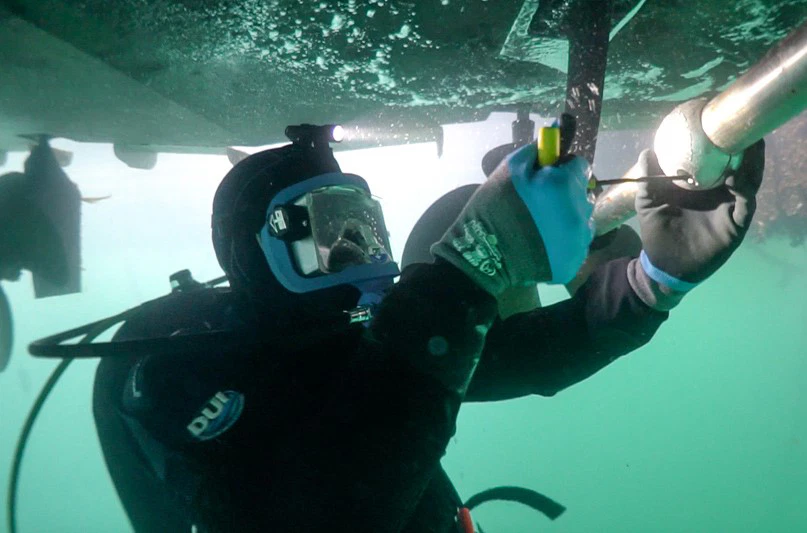
Why Underwater Hull Cleaning Is Essential for Fuel Efficiency and Vessel Performance
Every nautical mile a vessel travels comes with an unseen challenge beneath the waterline. From the moment a ship enters the sea, its hull becomes a surface for marine organisms such as algae, barnacles, mussels, and slime to attach themselves. Over time, this biofouling transforms a smooth, hydrodynamic hull into a rough surface that creates additional drag, forcing engines to consume more fuel and increasing overall operating costs.
For today's shipping industry, where fuel represents one of the largest operational expenses, underwater hull cleaning is no longer optional—it's a critical part of efficient fleet management. Whether operating cargo ships, tankers, offshore vessels, or passenger ships, maintaining a clean hull directly impacts fuel efficiency, vessel performance, regulatory compliance, and long-term maintenance costs.
Key Takeaways
-
Hull fouling can increase fuel consumption by 25–40%, making underwater hull cleaning one of the most cost-effective maintenance investments.
-
Even a thin layer of marine slime may increase fuel usage by 10–15% while reducing vessel speed by 2–3 knots.
-
Propeller polishing performed alongside hull cleaning can restore 3–6% of propulsion efficiency.
-
Underwater hull cleaning eliminates the need for routine dry docking, reducing downtime and operational disruptions.
-
Regular cleaning enables detailed underwater inspections that help detect corrosion, coating damage, and structural issues early.
-
Most commercial vessels benefit from hull cleaning every 6–12 months, while ships operating in tropical waters may require cleaning every 3–6 months.
-
Proactive hull maintenance lowers fuel costs, extends coating life, improves compliance, and reduces overall operating expenses.
What Is Underwater Hull Cleaning?
Underwater hull cleaning is the process of removing marine growth, biofouling, and debris from the submerged surfaces of a vessel while it remains in the water. Instead of taking the ship into dry dock, certified commercial divers or remotely operated vehicles (ROVs) use specialized cleaning equipment to restore the hull's smooth surface.
Because the vessel remains afloat during the process, underwater hull cleaning significantly reduces maintenance downtime and minimizes disruptions to operations. Modern underwater maintenance services often include:
-
Hull cleaning
-
Propeller polishing
-
Sea chest cleaning
-
Underwater inspections
-
Minor underwater repairs
Companies such as Aasutosh Marine provide comprehensive underwater maintenance solutions that help vessel owners maintain operational efficiency without interrupting sailing schedules.
How Hull Fouling Impacts Fuel Efficiency
Biofouling begins almost immediately after a vessel enters the water.
Within hours, microscopic bacteria form a biofilm across the hull. Over the following days, algae begin to develop, and within weeks, barnacles, mussels, and other marine organisms establish themselves on the surface.
As marine growth accumulates, the hull becomes increasingly rough, dramatically increasing hydrodynamic resistance.
Industry studies show that:
-
Heavy hull fouling can increase fuel consumption by 25–40%.
-
Even a light slime layer can raise fuel usage by 10–15%.
-
Vessel speed may decrease by 2–3 knots because of increased drag.
The reason is straightforward. A rough hull creates greater resistance against the water, requiring the propulsion system to generate additional power to maintain the same cruising speed. Higher engine loads translate directly into increased fuel consumption and significantly higher voyage costs.
For vessels consuming 50–100 tonnes of fuel per day, even a modest increase in fuel usage can result in thousands of dollars in additional operating expenses during a single voyage.
Benefits of Regular Underwater Hull Cleaning
Lower Fuel Costs
The most immediate advantage of underwater hull cleaning is improved fuel efficiency. A clean hull moves through the water with less resistance, allowing engines to operate at their designed efficiency while reducing daily fuel consumption.
Improved Vessel Performance
Hull fouling affects more than fuel usage—it also reduces vessel speed, increases engine load, and impacts schedule reliability.
Maintaining a clean hull allows ships to:
-
Reach designed service speeds
-
Improve voyage planning
-
Reduce engine stress
-
Increase overall operational efficiency
Increased Propeller Efficiency
The propeller plays an equally important role in vessel performance.
Marine growth and surface roughness on propeller blades reduce thrust and increase fuel consumption. Professional propeller polishing restores the blade surface, improving propulsion efficiency by 3–6%.
When performed together, hull cleaning and propeller polishing provide measurable improvements in vessel performance.
Longer Hull Coating Life
Modern anti-fouling coatings represent a significant investment.
When heavy barnacle growth is allowed to develop, removing it often requires aggressive cleaning methods that may damage the protective coating.
Routine underwater cleaning removes fouling before it becomes firmly attached, helping preserve coating integrity and extending the interval between expensive repainting during dry docking.
Environmental Compliance
Hull fouling is one of the primary pathways for transporting invasive marine species between ports and ecosystems.
Many countries—including Australia, New Zealand, and the United States—have introduced strict biofouling management requirements for visiting vessels.
Maintaining a clean hull helps operators comply with environmental regulations while avoiding inspection delays, penalties, and operational restrictions.
Early Detection of Structural Problems
Each underwater cleaning operation also provides an opportunity for a detailed hull inspection.
Professional dive teams can identify:
-
Corrosion
-
Coating failure
-
Damaged welds
-
Structural defects
-
Worn sacrificial anodes
Detecting these issues early enables timely repairs, preventing larger maintenance problems and reducing long-term repair costs.
Aasutosh Marine combines underwater cleaning with detailed inspection reports, giving vessel owners valuable insights into hull condition after every service.
How Often Should Underwater Hull Cleaning Be Performed?
The ideal cleaning interval varies depending on several operational factors.
Trading Region
Ships operating in warm tropical waters experience faster marine growth and generally require cleaning every 3–6 months.
Time Spent in Port
Vessels that remain anchored or idle for extended periods accumulate marine growth much faster than continuously sailing ships.
Hull Coating Condition
The type, age, and condition of the vessel's anti-fouling coating influence how quickly organisms attach to the hull.
Performance Monitoring
Modern vessel performance systems monitor fuel consumption, speed loss, and engine performance. Sudden increases in fuel usage often indicate developing hull fouling, allowing operators to schedule cleaning at the optimal time.
For most commercial vessels, underwater hull cleaning every 6–12 months provides the best balance between maintenance cost and operational efficiency.
Underwater Hull Cleaning Without Dry Docking
Advancements in underwater maintenance technology now allow vessels to undergo complete hull cleaning while remaining afloat.
Using certified commercial divers and advanced ROV systems, underwater cleaning can be safely completed while ships are:
-
Alongside a berth
-
At anchorage
-
In selected operational ports
This approach eliminates the need for routine dry docking, reducing maintenance costs, minimizing downtime, and allowing vessels to remain available for commercial operations.
Aasutosh Marine provides professional underwater hull cleaning, propeller polishing, underwater inspections, and minor underwater repairs across Indian ports, helping shipowners maintain vessel efficiency without disrupting sailing schedules.
Conclusion
Underwater hull cleaning is one of the most effective ways to improve fuel efficiency, reduce operating costs, and protect long-term vessel performance.
Regular maintenance minimizes hydrodynamic drag, extends hull coating life, improves propulsion efficiency, supports environmental compliance, and enables early detection of structural issues before they become costly repairs.
For shipowners and fleet managers seeking to maximize operational efficiency while reducing maintenance expenses, partnering with an experienced underwater maintenance provider is a smart investment.
With certified divers, advanced equipment, and extensive marine expertise, Aasutosh Marine delivers reliable underwater hull cleaning, propeller polishing, inspections, and underwater repair services that keep vessels operating safely, efficiently, and profitably.
Frequently Asked Questions
What is underwater hull cleaning?
Underwater hull cleaning is the process of removing marine growth, algae, barnacles, and other biofouling from a vessel's submerged surfaces while it remains afloat. The service often includes propeller polishing and underwater inspections.
Why is underwater hull cleaning important?
A clean hull reduces water resistance, improves fuel efficiency, protects anti-fouling coatings, supports environmental compliance, and extends the lifespan of the vessel's underwater structure.
How does hull fouling increase fuel consumption?
Marine growth creates a rough hull surface that increases hydrodynamic drag. Engines must produce more power to maintain the same speed, leading to higher fuel consumption. Severe fouling can increase fuel usage by 25–40%.
How frequently should ships undergo underwater hull cleaning?
Cleaning frequency depends on vessel operations, trading routes, coating condition, and idle time. Most commercial vessels require cleaning every 6–12 months, while ships operating in warm tropical waters may need cleaning every 3–6 months.

 English
 Arabic
 Spanish
 Portuguese
 Deutsch
 Turkish
 Dutch
Dutch
 Italiano
 Russian
 Romaian
 Portuguese (Brazil)
 Greek
Greek
